 EN
EN
 AR
AR

Chemical Rock Breaking: The Non-Explosive Blasting Alternative
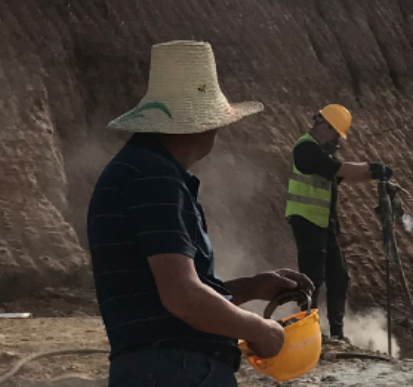
💡 The Job Site Dilemma: You've hit a vein of solid granite during an urban road or subway tunnel excavation. Heavy hydraulic breakers are just bouncing off the surface, and mechanical rock splitters are slowing your production to a crawl. Dynamite is out of the question due to city vibration limits. The most efficient solution? Chemical rock breaking using Stone Cracking Powder.
The Mechanics of the "Silent Expansion Agent"
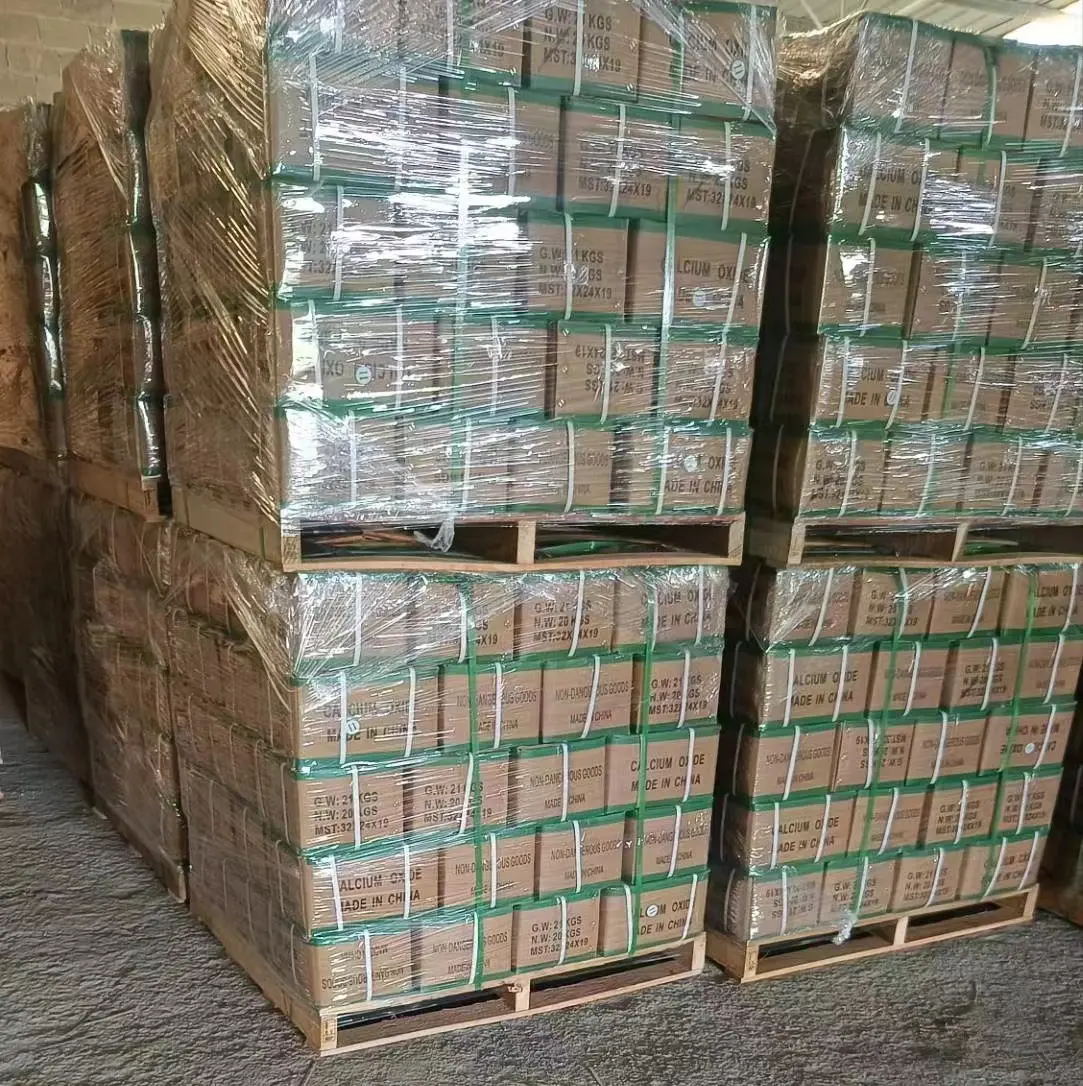
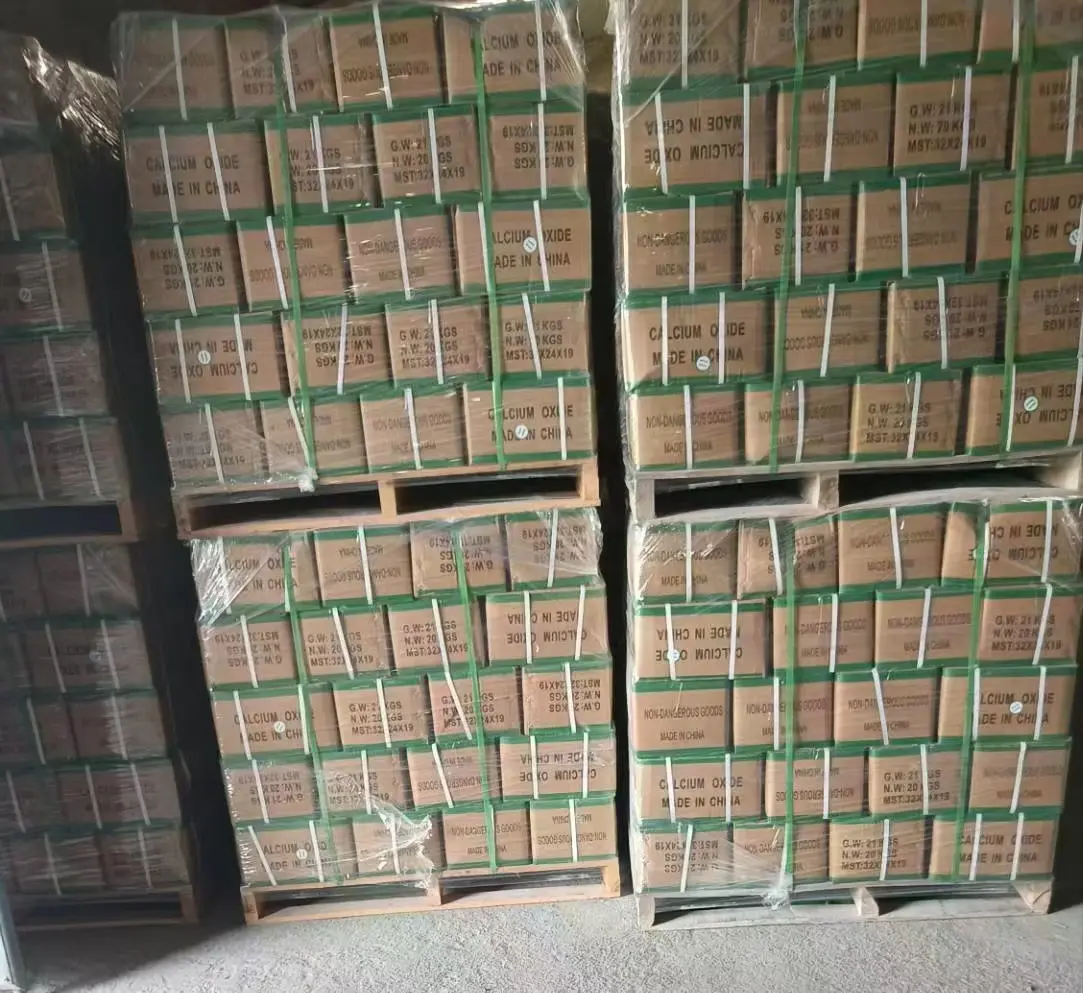
Stone Cracking Powder (also known as expansive mortar) is not an explosive. It is a highly engineered calcium oxide compound. When mixed with a specific ratio of water and poured into pre-drilled boreholes, it undergoes a powerful chemical hydration process.
Over the next few hours, the slurry crystallizes and expands, generating an outward radial pressure of up to 120 MPa. This force silently and safely tears apart the rock in a predetermined direction without creating any shockwaves.
Where Does Chemical Rock Breaking Excel?
This material is formulated for the toughest geological conditions. It effortlessly fractures hard rocks including granite, basalt, quartzite, siliceous schist, sandstone, and heavily reinforced concrete. We see it used most effectively in:
Subway Tunnel Engineering: It is rapidly overtaking the tunneling excavation market because it eliminates explosive fumes, keeping the underground air safe for miners.
Urban Highway Construction: Breaks bedrock right next to active traffic lanes without generating dangerous fly-rock.
Dimension Stone Quarrying: Extracts perfect stone blocks without the micro-fractures caused by dynamite.
Field Operation: Keep it Simple
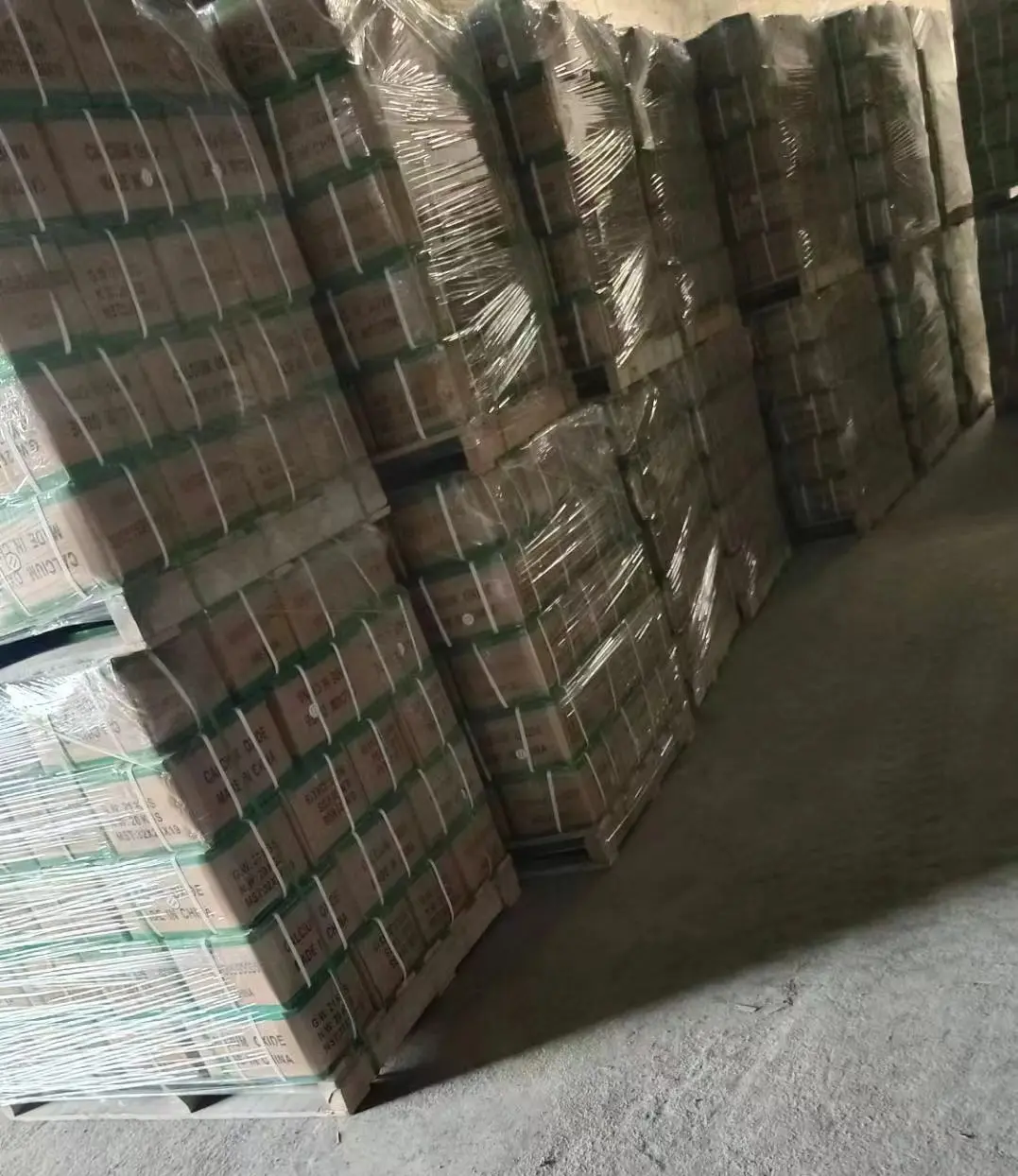
You do not need licensed blasters or explosive technicians to use a silent expansion agent. Any trained site worker can handle the process:
Drill: Use a high-quality Pneumatic Rock Drill to bore clean 38mm-42mm holes.
Calculate: Before mixing, run your hole dimensions through the Expandag Dosage Calculator to prevent material waste.
Pour & Wait: Mix the powder with cool water, pour it into the boreholes, and wait. Initial cracking usually finishes within 6 to 8 hours, drastically improving your site's safety and extraction speed.
Chemical Rock Breaking FAQs
Q1: Why use chemical rock breaking powder instead of a hydraulic breaker?
A: Hydraulic breakers struggle against extremely hard rock (like granite or basalt) and cause severe noise and ground vibration. Stone Cracking Powder generates over 120 MPa of internal static pressure, breaking the hardest rock silently without disturbing adjacent structures or residents.
Q2: How long does it take for the chemical expansion to crack granite?
A: Depending on the ambient temperature and hole spacing, you will typically see significant rock fracturing within 6 to 8 hours after pouring. The total expansion process peaks around 24 hours.
Q3: Is this chemical safe for underground subway tunnel excavation?
A: Yes. Because it is a non-explosive and non-combustible material, it produces zero toxic fumes and no dust during the cracking process. This protects underground air quality and eliminates the need to evacuate workers from the tunnel.
Struggling with Hard Rock Excavation?
Switch to the safest non-explosive blasting alternative. Contact Expandag for factory-direct prices on Stone Cracking Powder.