 EN
EN
 AR
AR

How to Prevent Expansive Mortar Blow-Outs: Safety & Prevention Guide
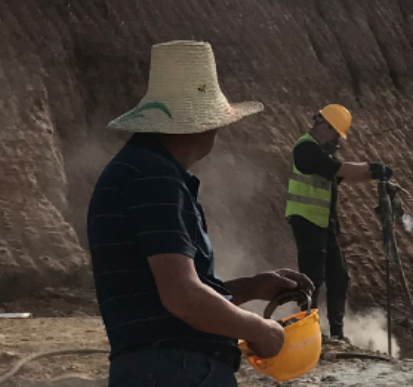
⚠️ Safety Hazard Warning: One of the most dangerous situations on a demolition site is a "Blow-Out" (sometimes poorly translated as the "punching" phenomenon). A blow-out is a violent steam eruption where the Expansive Mortar shoots out of the borehole like a geyser due to uncontrolled heat buildup. This guide explains why it happens and how to prevent it.
The Science Behind the Blow-Out
Soundless Cracking Agent (HSCA) generates pressure through an exothermic (heat-producing) hydration reaction. Under normal conditions, the rock absorbs this heat slowly as the pressure builds to 120 MPa.
However, if the reaction happens too quickly, the water inside the slurry boils instantly. The trapped steam expands violently, blowing the chemical paste out of the hole with immense force. This poses a severe risk of chemical burns and eye injuries to any operators standing nearby.
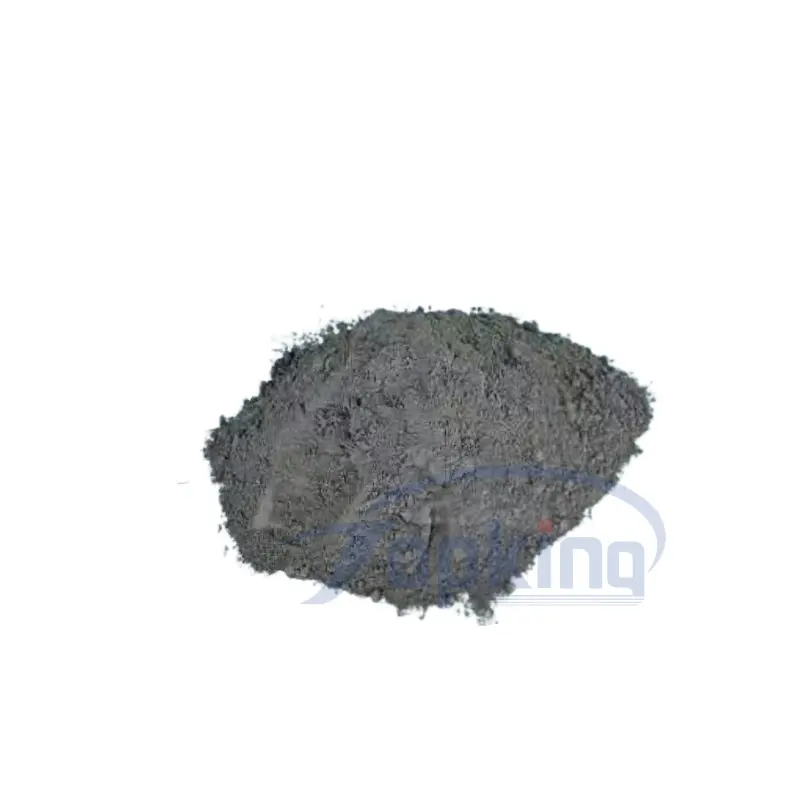
Properly packaged HSCA helps maintain stable chemical properties before mixing.
4 Core Rules to Prevent Steam Eruptions
Strict Temperature Control: This is the #1 cause of blow-outs. Using a Winter-grade formula during Summer temperatures will cause an instant eruption. Always ensure the non-explosive demolition agent model (e.g., HSCA-1, 2, or 3) matches your site's exact rock and air temperature.
Borehole Diameter Limits: A larger hole means more chemical mass, which generates more heat. Never exceed a 50mm hole diameter. The safest and most effective diameter is 38mm to 42mm. We highly recommend using a standard Pneumatic Rock Drill to maintain consistent hole sizes.
Proper Mixing Ratio: The ideal water-to-powder ratio is between 28% and 32% (approx. 1.5 liters of water per 5kg bag). Using too little water creates a thick, highly reactive paste that overheats rapidly. Mix thoroughly and pour within 10 minutes.
Use Cold Water: In hot climates, always mix the powder with chilled water (or add ice) to artificially slow down the initial hydration heat.
Mandatory Site Safety Protocols
Even if you follow all mixing rules, unpredictable rock faults can sometimes trap heat. Protect your crew by enforcing these site rules:
PPE is Non-Negotiable: All operators must wear wrap-around safety goggles, dust masks, and heavy rubber gloves. The slurry is highly alkaline.
The 6-Hour Rule: Never stand over, lean over, or look directly down into a filled borehole for at least 5 to 6 hours after pouring.
Evacuate the Zone: Once the holes are filled, clear all non-essential personnel from the immediate area. Let the static pressure do the work quietly.
💡 Pro Tip: Avoid Over-filling with the Calculator
Pouring too much mortar into a hole that is too shallow concentrates heat unnecessarily. Use our free SCA Dosage Calculator to map out your drilling pattern and determine the exact, safe volume of powder needed.
Blow-Out Troubleshooting FAQs
Q1: What should I do if the expansive mortar starts smoking in the mixing bucket?
A: Do not pour it into the hole. If the slurry begins to smoke, steam, or become extremely hot in the bucket, a blow-out is imminent. Immediately dilute it with large amounts of cold water and dump it in an open, safe area.
Q2: Can I add more water to a borehole if I think it's getting too hot?
A: No. Once the slurry is poured into the borehole, adding water on top will not cool down the core of the mixture. It will only trap the heat underneath, increasing the risk of a violent steam eruption. Step away and let the reaction run its course.
Q3: How long is the typical reaction time before the rock cracks safely?
A: Normal, safe cracking usually takes between 8 to 24 hours. If cracks appear in under 2 hours, your mixture is too reactive for the ambient temperature, and you are operating in the danger zone for a blow-out.
Need Reliable & Safe Demolition Chemicals?
Expandag provides correctly temperature-graded Soundless Cracking Agents and full technical support to keep your job site 100% safe.