 EN
EN
 AR
AR

How to Use Expansive Mortar for Precise Rock Splitting (Controlled Demolition)
💡 Key Takeaway: To achieve precise, straight-line cracks using Expansive Mortar (HSCA), success relies entirely on your drilling pattern. By combining optimal hole spacing with the "empty-hole" guiding technique, contractors can direct the 120 MPa expansion pressure exactly where they want it, achieving surgical precision in rock and concrete demolition without using explosives.
A common misconception is that chemical rock breaking is unpredictable. In reality, when executed correctly, a Soundless Cracking Agent offers more control than traditional dynamite. Here is the field-tested engineering guide on how to use expansive mortar for highly accurate fragmentation.
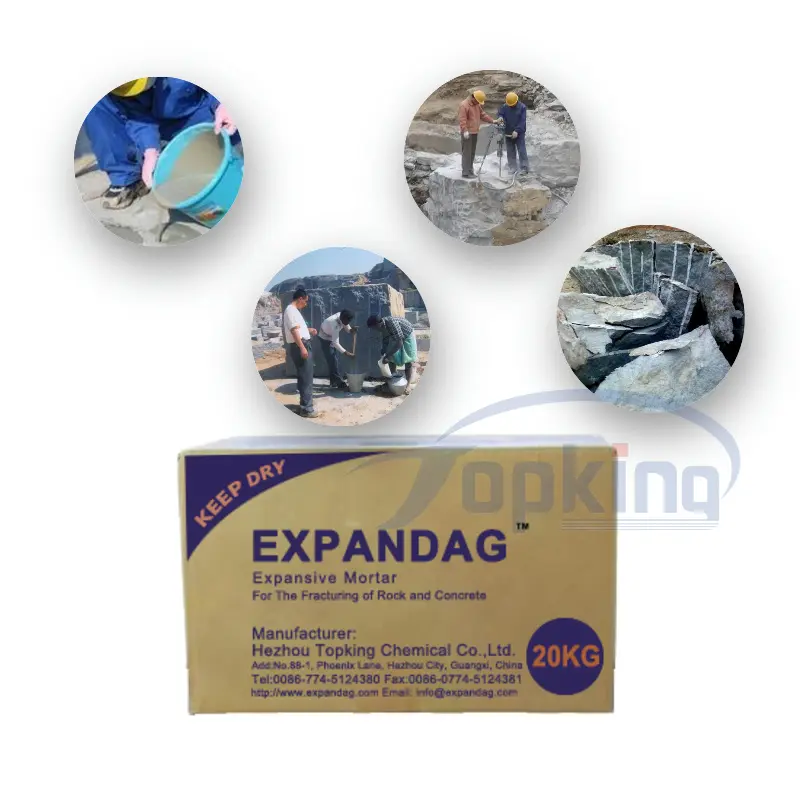
Step 1: The Secret to Precision (Borehole Layout)
The chemical expands outward in a 360-degree radius. To force the rock to crack in a straight line, you must create a path of least resistance.
Line Drilling: Use a high-quality Pneumatic Rock Drill to bore a straight line of holes. Maintain a strict diameter of 38mm to 40mm.
The "Empty Hole" Technique: For ultra-precise cuts (like harvesting granite blocks), drill holes closer together (e.g., 20cm apart) but only fill every other hole with the mortar. The empty holes act as a relief zone, guiding the crack perfectly from one filled hole to the next.
Step 2: Mixing and Pouring
Mixing consistency dictates the final expansion pressure. Add 1.5 liters of clean, cool water to a 5kg bag of powder (approx. 30% water ratio). Mix mechanically until a smooth slurry forms.
Pour the slurry directly into your designated boreholes within 5 to 10 minutes. Never plug or cap the holes—the pressure needs to fracture the rock laterally, and plugging it increases the risk of a vertical steam blow-out.
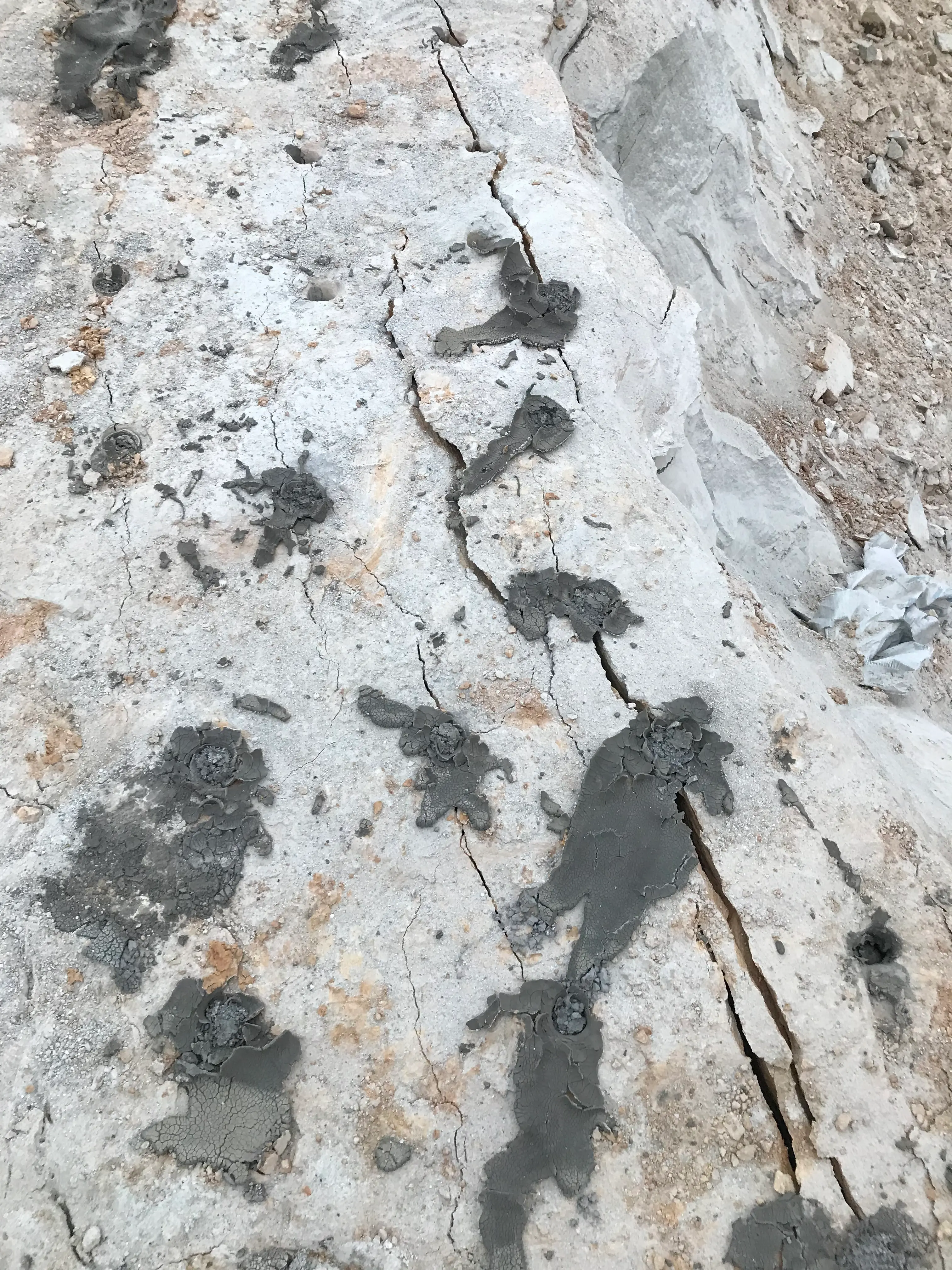
Real-World Case Studies
Case 1: Dimension Stone Quarrying (Granite)
The Challenge: A quarry needed to extract large, intact granite blocks without the micro-fractures caused by detonating cord or black powder.
The Solution: Operators drilled a tightly spaced linear pattern. By applying the correct grade of HSCA, the 120 MPa internal pressure separated the block cleanly from the bedrock over 12 hours. The smooth crack surface maximized the stone's market value and produced zero waste.
Case 2: Urban Reinforced Concrete Demolition
The Challenge: Demolishing a heavy concrete foundation located 5 meters from an active hospital building, ruling out hydraulic breakers and explosives.
The Solution: A dense grid pattern was drilled. The expansive mortar cracked the concrete matrix and effectively separated it from the heavy steel rebar mesh. The fragmented concrete chunks were quietly removed by a mini-excavator the next morning.
💡 Engineer's Tip: Stop Wasting Material
Precise splitting requires exact dosage. Before pouring, use the Expandag SCA Dosage Calculator. Enter your hole diameter, depth, and spacing to instantly calculate the required kilograms of powder for your project layout.
Application FAQs: Precision Cracking
Q1: How do I ensure the rock cracks in a straight line?
A: The most effective method is line drilling. Drill holes closely together in a straight line. If the rock is extremely hard, leave every alternate hole empty (do not fill with mortar). The empty holes act as a guide for the crack to travel through.
Q2: Can I stop the expansion process once I pour the mortar?
A: No. Once the hydration process begins, the chemical will continue to expand until it reaches maximum pressure. To control the process, you must accurately plan your drilling layout and use the correct temperature grade (HSCA-1, 2, or 3) before pouring.
Q3: What hole diameter provides the most precise control?
A: For optimal balance between expansive force and directional control, a hole diameter of 38mm to 40mm is recommended. Holes smaller than 30mm may not generate enough pressure to crack hard granite.
Need Expert Advice on Your Demolition Layout?
Contact the Expandag engineering team for customized borehole patterns and factory-direct pricing on Soundless Cracking Agents.